How to Recycle a Car Battery
Take a used car battery to an auto parts store, battery retailer, recycling center, or household hazardous waste site that accepts lead-acid batteries. Keep it upright, protect its terminals, and call ahead to confirm the location accepts your battery type.
On this page (8 sections)
- Where can you recycle a car battery?
- How do you prepare a car battery for recycling?
- What should you do if the battery is leaking or damaged?
- Can you take an old battery to a store when buying a new one?
- Does the battery type change how you recycle it?
- What happens to a recycled car battery?
- How can you tell if a car battery needs replacement?
- What is the safest way to finish the recycling trip?
To recycle a car battery, take it to an auto parts store, battery retailer, recycling center, or household hazardous waste site that accepts lead-acid batteries. Keep it upright and secure, protect the terminals, and call ahead to check the site's rules.
Car batteries contain lead and corrosive electrolyte, so they need a collection route made for them. Don't put one in household trash or a curbside recycling bin.
Where can you recycle a car battery?
Start with an auto parts store, battery retailer, recycling center, or local hazardous waste program. Search your city or county waste department's website for “lead-acid battery recycling,” then confirm the location accepts automotive batteries.
Some retailers accept a used battery when you buy a replacement. Rules and any fees vary, so call the specific branch before you go.
If you are replacing a battery, ask the installer whether they will take the old one. Our guide to car battery replacement explains what to consider before buying another battery.
What should you ask before taking it in?
Ask whether the site accepts your battery type, whether it charges a fee, and how you should unload it. Mention any cracked case, leak, or swelling before transporting the battery.
A local program may have set drop-off hours or require an appointment. Follow its instructions for packaging and delivery.
How do you prepare a car battery for recycling?
Keep the battery upright, stable, and protected from short circuits. Remove it only if you know how to do so safely and can follow your vehicle's manual.
Cover exposed terminals with nonconductive material, such as terminal caps or sturdy tape. Keep tools and other metal objects away from the terminals.
Set the battery in a sturdy, leak-resistant tray or container that can catch drips. Secure it so it cannot tip or slide during the trip, and keep it away from passengers and loose cargo.
If you are unsure how to remove the battery, have a repair shop handle it. For removal steps, see how to change a car battery safely.
What should you do if the battery is leaking or damaged?
Don't handle a leaking, cracked, or swollen battery as if it were a normal return. Keep people and pets away, avoid contact with any liquid, and call your local household hazardous waste program for instructions.
Don't pour liquid down a drain or try to clean the battery yourself. If battery fluid contacts skin or eyes, flush the area with clean water and seek urgent medical advice.
A damaged battery may need special collection or pickup. Tell the program what you see and follow its directions before moving it.
Can you take an old battery to a store when buying a new one?
Often, but confirm with the store before you arrive. Some retailers accept used batteries, while others limit acceptance by location, condition, or purchase.
Keep the old battery in the vehicle's cargo area, upright and secured, until staff tell you where to place it. Don't leave it unattended at a store entrance or beside a collection bin.
Before buying a replacement, confirm the correct fit and battery type for your vehicle. Our guide to what size battery your car needs covers group size, and how to read a car battery date code can help you check the age of a battery already installed.
Does the battery type change how you recycle it?
Most automotive lead-acid batteries need an approved battery collection point, whether they are flooded or AGM. Tell the site which type you have if you know, and follow its handling instructions.
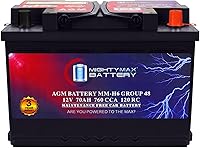
AGM batteries use absorbent material to hold the electrolyte, but that doesn't make them household waste. A battery retailer or local recycling program can tell you how it accepts them.
If you're checking an AGM replacement, the Autocessking AGM Group 65 is one option to compare after confirming your car's fit and requirements.
For a vehicle that specifies Group 94R (H7), compare the Autocessking AGM Group 94R after checking dimensions and terminal layout.
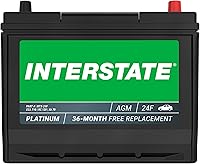
If your vehicle takes Group 24F, the Mighty Max MM-G24F (Group 24F) is another product to review against your vehicle manual.
These product boxes are for replacement research. They don't change how you should handle or recycle the battery being removed.
What happens to a recycled car battery?
A collected lead-acid battery goes through a recycling process designed for its lead, plastic, and electrolyte. The collection site or recycler determines how batteries are handled and processed.
Collection is the part you control: use an accepted drop-off point, keep the battery secure, and follow local instructions. Don't take a battery apart or try to recover its materials at home.
How can you tell if a car battery needs replacement?
A battery that struggles to start the car, repeatedly needs a jump, or has visible damage should be checked before you decide to replace it. A weak battery can have causes other than age, so testing can help identify the problem.
Read signs of a bad car battery for symptoms to watch for. If you do replace it, recycle the old battery through an approved collection point.
What is the safest way to finish the recycling trip?
Call ahead, secure the battery upright, and hand it directly to the collection site's staff or designated drop-off area. Follow any signs and don't leave it outside a closed facility.
If the case is damaged or leaking, pause and ask the local hazardous waste program how to proceed. For a normal used battery, choose a nearby retailer or recycling site that confirms it accepts lead-acid automotive batteries.
Frequently asked questions
Where can I recycle a car battery?
Take it to an auto parts store, battery retailer, recycling center, or household hazardous waste program that accepts lead-acid batteries. Call ahead to confirm hours, fees, and whether the site accepts your battery type.
Some retailers accept old batteries when you buy a replacement, but policies vary by location.
Can I put a car battery in the trash?
No. Take a lead-acid car battery to a collection point that accepts it, rather than putting it in household trash or curbside recycling.
Its lead and acid need special handling.
Keep the battery upright during transport and protect the terminals from contact with metal.
How should I transport an old car battery?
Keep the battery upright in a stable, leak-resistant container, and prevent it from sliding or tipping. Cover the terminals with nonconductive material or use the terminal covers if available.
If the case is cracked or leaking, avoid handling it and call a local hazardous waste program for instructions.
Do stores take old car batteries for recycling?
Some auto parts stores and battery retailers accept used lead-acid batteries, but acceptance rules can vary by branch and battery type.
Call before you drive over, especially if the battery is damaged or you are not buying a replacement. Ask where to unload it and whether staff need to assist.