How to Change a Car Battery Safely at Home
You can change a car battery at home if the vehicle manual allows it and you follow the correct order: prepare the car, disconnect the negative cable first, replace the battery, then reconnect the positive cable first. Stop if the battery is damaged or the terminals are hard to reach.
On this page (8 sections)
- What do you need before changing a car battery?
- How do you check that the replacement battery fits?
- How do you remove the old battery?
- How do you install a replacement car battery?
- What should you check after changing a car battery?
- When should you get help instead?
- How do you dispose of the old battery?
- What is the safe order for changing a car battery?
You can change a car battery at home if your vehicle manual permits it and you follow the correct order: disconnect the negative cable first, remove the old battery, install the correct replacement, then reconnect the positive cable first. Wear eye protection and gloves, keep metal tools away from both terminals, and stop if the battery is cracked, leaking or swollen.
Before starting, confirm the battery size, terminal layout and type required for your vehicle. Our guide to what size battery your car needs explains how to check those details.
What do you need before changing a car battery?
Gather eye protection, gloves, the correct hand tools and the vehicle manual before you begin. Your manual takes priority because battery locations, hold-downs and reset steps vary by vehicle.
You may need:
- Safety glasses and gloves
- A correctly sized wrench or socket for the terminal clamps and hold-down
- A battery terminal brush, if the clamps need cleaning
- A tray or support that can safely hold the battery upright
- A replacement battery that matches the vehicle's requirements
Remove jewelry and keep loose metal objects away from the battery. Work in a well-ventilated area, with the engine and all electrical accessories off.
A car battery contains acid and can release flammable gas. Don't smoke, create sparks or lean over the battery while working.
How do you check that the replacement battery fits?
Confirm the group size, terminal positions, battery type and required starting rating against your vehicle manual or the battery currently installed. A battery that looks close may still have the wrong terminals or may not sit securely in the tray.
Check the year, make, model and engine details in a reliable fit guide, then compare them with the manual. If your vehicle uses an AGM battery, don't replace it with a flooded battery unless the vehicle manufacturer permits the change.
The car battery replacement guide covers what to check before you buy. For a specific example of a Group 48 option, the Mighty Max MM-H6 is a 12V AGM battery with Group 48 size and right-side positive terminal placement.
Don't rely on dimensions alone. The replacement must fit the tray, reach the cables without strain and work with the vehicle's charging system.
How do you remove the old battery?
Remove the old battery only after turning off the vehicle and disconnecting the negative terminal first. Keep each cable from touching the battery terminals while you work.
- Park on a level surface, set the parking brake and switch off the engine and accessories.
- Read the manual for any vehicle-specific battery access or power-saving steps.
- Locate the negative terminal, usually marked with a minus sign or black cover.
- Loosen its clamp and lift the cable away from the terminal. Secure it so it cannot spring back into contact.
- Disconnect the positive cable, usually marked with a plus sign or red cover, and keep it clear of the battery.
- Remove the battery hold-down or retaining bracket.
- Lift the battery straight out, keeping it upright and using a safe lifting posture.
Car batteries are heavy. Get help if you can't lift yours steadily or if the battery is in a hard-to-reach position.
If you see a cracked case, leaking fluid, bulging sides or heavy corrosion, stop. Avoid handling a damaged battery and contact a battery retailer or qualified repair shop for safe removal.
How do you install a replacement car battery?
Set the replacement battery upright in the tray with its positive and negative terminals in the correct positions. Secure it before attaching the cables.
- Check the tray and hold-down for damage or loose debris.
- Lower the battery into the tray without tilting it.
- Refit the hold-down so the battery can't move, but don't overtighten it.
- Connect the positive cable to the positive terminal and tighten the clamp securely.
- Connect the negative cable to the negative terminal and tighten the clamp securely.
- Check that both clamps are secure and that the battery doesn't shift in the tray.
- Refit any covers or access panels removed during the job.
Never force a cable onto the wrong terminal or bridge the terminals with a tool. If a cable doesn't reach naturally, stop and recheck the battery orientation and fit.
The Autocessking Group 65 has its positive terminal on the left and negative on the right. Compare that layout with your vehicle before choosing it.
What should you check after changing a car battery?
After installation, check for a secure fit, correct cable connections and any warning lights before driving. Start the vehicle only when the battery is firmly held and tools have been removed from the engine area.
The clock or radio settings may need to be reset. Some vehicles also require a battery registration or charging-system reset, so check your manual if a warning appears or the vehicle behaves differently.
If the engine doesn't start, don't keep cranking it. Recheck the connections only when it is safe to do so, and arrange professional help if the cables are secure but the problem continues.
A battery test can help you decide whether the old battery was the cause of a starting issue. The multimeter battery test guide explains one way to check battery voltage.
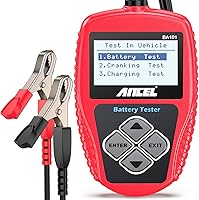
The TOPDON BT100 supports 12V flooded, AGM, EFB and GEL batteries within its stated rating range. Its tests can help distinguish a battery concern from a cranking or charging-system issue.
When should you get help instead?
Get help if the battery is damaged, access is difficult, or your vehicle needs a procedure you can't safely follow. Stop if you're unsure which cable or terminal to handle.
A qualified service shop is a safer choice when:
- The battery is under a seat or in a location that requires special access
- The vehicle manual calls for a memory saver, registration or reset procedure you can't perform
- Cables or terminals are corroded, damaged or stuck
- The battery is cracked, leaking or swollen
- You can't lift and position the replacement safely
If a replacement doesn't solve the starting problem, the alternator, starter or another electrical fault may need attention. Review the signs of a bad car battery and get a professional diagnosis if the cause isn't clear.
How do you dispose of the old battery?
Take the old battery to a retailer or recycling center that accepts automotive batteries. Keep it upright, prevent the terminals from contacting metal and follow the center's handling instructions.
Lead-acid batteries should be recycled through appropriate collection channels, not put in household trash. See our guide on how to recycle a car battery for practical next steps.
What is the safe order for changing a car battery?
Disconnect negative first and positive second when removing the old battery. Connect positive first and negative last when installing the replacement.
Follow your owner's manual for your vehicle's fit, access and reset requirements. If you can't confirm those details or handle the battery safely, have a qualified shop do the replacement.
How to change a car battery safely: the key checks
Use the correct replacement, keep the battery upright, secure it in the tray and avoid letting tools bridge the terminals. If the car still has starting trouble afterward, test the battery and charging system or seek a professional diagnosis.
Frequently asked questions
Which battery cable should I disconnect first?
Disconnect the negative cable first, then the positive cable. When installing the replacement, connect the positive cable first and the negative cable last.
This order helps reduce the chance that a tool touching the vehicle body will complete a circuit.
Can I change a car battery without losing settings?
Some vehicles may lose radio presets, clock settings or other stored data when the battery is disconnected, while others may need a specific reset or relearn procedure. Check the owner's manual before starting and follow its instructions for your vehicle.
Do I need to register a new car battery?
Some vehicles require battery registration or a charging-system reset after replacement, especially when battery type or capacity changes. Check the owner's manual or ask a qualified service shop whether your vehicle needs this step.
What should I do with my old car battery?
Take the old battery to a battery retailer or recycling center that accepts automotive batteries. Keep it upright during transport, protect the terminals from contact with metal, and follow local handling instructions.