Signs of a Bad Car Battery and What to Do Next
Slow cranking, dim lights, clicking, and repeated jump starts can point to a weak car battery. Check the battery and charging system before replacing parts, since loose connections or an alternator fault can cause similar symptoms.
On this page (7 sections)
- What are the signs of a bad car battery?
- How can you tell a bad battery from an alternator problem?
- What should you check before replacing the battery?
- When should you test or replace a car battery?
- Which tools or replacement batteries may help?
- What should you do next if the car won't start?
- Which signs of a bad car battery call for action?
Slow cranking, dim lights, clicking, and repeated jump starts are common signs of a bad car battery. They can also point to a loose connection or charging-system problem, so check the battery and alternator before buying a replacement.
A battery that starts the car one morning can struggle the next. Cold weather, leaving lights on, and short trips can expose a weak battery, but symptoms alone don't confirm the cause.
What are the signs of a bad car battery?
Slow engine cranking, a click instead of a start, dim lights, and repeated jump starts are common warning signs. Look for a pattern, especially when more than one symptom appears.
- The engine cranks slowly. It turns over sluggishly rather than starting at its usual speed.
- You hear clicking when you turn the key. A rapid click or a single click can happen when the starter isn't getting enough power, though other faults can cause it too.
- Lights dim or electronics act strangely. Headlights, dashboard lights, or accessories may seem weaker, especially while starting.
- The car needs frequent jump starts. A battery that loses charge again after a jump may be weak, or the charging system may not be keeping it charged.
- The battery case looks swollen or damaged. Stop and get professional help if the case is cracked, leaking, or visibly bulging.
One symptom is a clue, not a diagnosis. A loose or corroded terminal can block power even when the battery itself still works.
How can you tell a bad battery from an alternator problem?
A battery problem often appears during starting, while an alternator problem can keep the battery from charging as you drive. Their symptoms overlap, so testing both is more reliable than guessing from a dashboard light.
A slow start after the car has been parked may point to a weak or discharged battery. A charging warning light, lights that dim or fluctuate while driving, or a battery that goes flat again after a jump can point to a charging fault.
A dead battery doesn't prove the alternator is bad. A failing battery may not hold a charge, while a sound battery can run down if the alternator or its wiring isn't charging it properly.
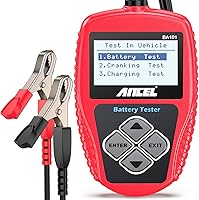
The ANCEL BA101 can check battery state of health and charge, voltage, cranking, and charging systems. Enter the battery type and rating correctly, and follow the tester's instructions.
The NEIKO 40510A is a load tester for readers who want an analog check. Its 100 amp load test is for 12V batteries up to 1,000 CCA; follow its test limits and cooling instructions.
For a step-by-step check, see how to test a car battery with a multimeter. If the charging warning stays on or the car stalls while driving, arrange a prompt inspection rather than relying on another jump start.
What should you check before replacing the battery?
Check the battery terminals, age, and test results before you buy a replacement. Dirt, corrosion, a loose connection, or an older battery can each contribute to starting trouble.
With the car off, look for loose clamps, corrosion, cracks, leaks, or a swollen case. Don't touch a damaged or leaking battery; ask a qualified technician to inspect it.
Find the date code or purchase record to estimate the battery's age. Battery life varies with use and conditions, so age is context rather than proof that the battery has failed; our guide to reading a car battery date code explains how to check the label.
If the test confirms the battery is weak, match the replacement to your vehicle's required group size, terminal layout, battery type, and minimum CCA. Read what size battery your car needs before choosing one.
When should you test or replace a car battery?
Test the battery when starting slows, jump starts become frequent, or symptoms return after charging. Replace it when test results and a charging-system check indicate it can no longer do the job.
A basic voltage reading can help, but it doesn't always show how the battery performs under load. The Ancel tester checks several battery and charging readings; the NEIKO model applies a load, so use it only within its stated limits.
If you replace the battery, follow the vehicle manual or use a qualified installer. Read what to know before buying a car battery replacement for fit and compatibility checks.
Which tools or replacement batteries may help?
A battery tester can help separate a weak battery from a charging issue; a replacement battery only helps when the old one is confirmed faulty. Choose tools that match your ability and follow their instructions.
The Ancel BA101 gives digital readings for battery health and charge, plus cranking and charging-system tests. The NEIKO 40510A uses an analog meter and a brief load test, with limits for battery voltage and CCA.
These batteries are Group 48 AGM options, not universal replacements. Confirm the correct size and terminal position for your vehicle before choosing either one.
For vehicles that use AGM batteries, see how long AGM car batteries last. If your test points to a failing battery, compare the installation steps and compatibility checks in the car battery replacement guide.
What should you do next if the car won't start?
If the car won't start, check for visible damage and loose connections, then arrange a battery and charging-system test. Avoid repeated jump starts if the battery is damaged or the problem keeps returning.
Don't try to jump a battery that is cracked, leaking, or swollen. If you aren't sure how to connect jumper cables safely, call roadside assistance or a qualified technician.
A successful jump only shows the car could start with outside power at that moment. It doesn't confirm that the battery is healthy or that the alternator is charging correctly.
Which signs of a bad car battery call for action?
Slow cranking or repeat jump starts call for a test; a damaged case calls for professional help. Match your next step to what you observe, then confirm the cause before replacing a part.
Test the battery and charging system if the car starts slowly, clicks, or loses charge again. Check the date code and vehicle requirements before shopping, and use car battery replacement advice if the battery has failed.
A charging warning light or trouble that starts while driving deserves prompt attention. If the battery case is leaking, cracked, or swollen, don't handle it yourself.
Frequently asked questions
What are the most common signs of a bad car battery?
Slow cranking, a click instead of a start, dim lights, and needing repeated jump starts can signal a weak battery. These signs can also come from loose or corroded connections, a charging problem, or another fault.
Check the battery and charging system before deciding what to replace.
How can I tell if it is the battery or alternator?
A weak battery often shows up as slow cranking or trouble starting after the car sits. An alternator problem may cause a charging warning light, dim or fluctuating lights while driving, or a battery that loses charge again soon after a jump.
Test both systems because symptoms can overlap.
Can a car battery be bad even if the lights work?
Yes. Interior or dashboard lights can still work when a battery lacks enough power to crank the engine.
A battery test gives more useful information than lights alone, but clean, secure connections and a charging system check matter too.
Should I replace a car battery after one jump start?
Not always. A discharged battery may need charging, while a weak battery, poor connection, or charging-system fault can cause the same no-start event.
If the problem returns, test the battery and alternator before replacing anything, and check the battery age and condition.